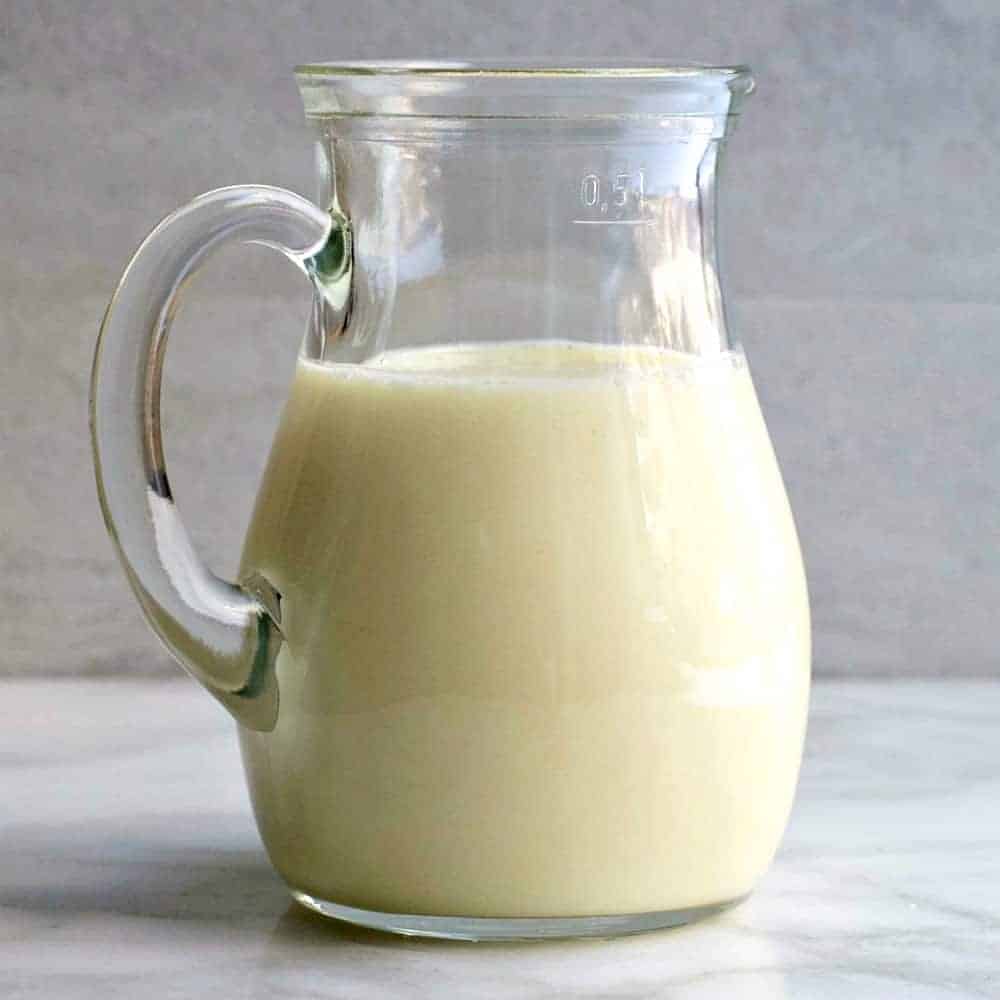
From the creamy depths of a rich Vietnamese iced coffee to the comforting sweetness binding together no-bake desserts, sweetened condensed milk holds a cherished spot in cuisines and hearts around the globe. For many, the image of a trusty can in the pantry is a familiar one, a shortcut to culinary bliss. But what if the secret to even richer, more personalized, and frankly, more satisfying desserts lay just a few steps away in your own kitchen? Embracing a homemade sweetened condensed milk recipe opens up a world of possibilities, inviting you to rediscover this sweet staple with fresh eyes and a renewed appreciation.
Before diving into the delicious advantages of making it yourself, let's journey back to the origins of this dairy marvel. Its invention was a pivotal moment in food preservation, born from necessity and a visionary's determination to bring safe, long-lasting milk to the masses.
A Sweet History: The Birth of a Dairy Innovation
Imagine a time when fresh milk was a luxury, its shelf life fleeting, especially without refrigeration. This was the reality of the mid-19th century, a challenge that spurred American inventor Gail Borden to action. His passion for preserving milk safely was ignited by a harrowing transatlantic voyage in the 1850s. Onboard, farm animals succumbed to sickness, contaminating their milk, which, in turn, sickened children and passengers. Witnessing this plight, Borden became obsessed with finding a method to ensure safe, transportable, and durable milk.
Inspired by the Shaker community's innovative use of vacuum evaporation for preserving fruit, Borden adapted the concept for milk. A vacuum evaporator works by reducing the air pressure within the cooking chamber, allowing liquids to boil and evaporate at much lower temperatures than usual. This gentle process prevents the milk from scorching or developing off-flavors that often occur with high-heat cooking. After several attempts, Borden finally perfected his technique, leading to the grand opening of the New York Condensed Milk Company in 1858. His iconic "Eagle Brand" didn't just sell a product; it established an entire industry, revolutionizing dairy consumption and making milk accessible even in challenging conditions.
The impact of Borden’s invention was profound. During the American Civil War, condensed milk became a vital ration for Union soldiers, providing a stable source of nutrition. Its influence also spread globally. In many parts of Asia, particularly Southeast Asia, where refrigeration was historically scarce and dairy cows were often prized for labor rather than milk production, sweetened condensed milk became a dietary cornerstone. It was diluted with water to feed babies, used as a robust creamer in strong coffee, and drizzled over street food desserts, embedding itself deeply into culinary traditions.
What Exactly is Sweetened Condensed Milk?
At its core, sweetened condensed milk is precisely what its name implies: milk that has been "condensed" by removing a significant portion of its water content through heat, and "sweetened" with a substantial amount of sugar. The process of gentle simmering causes the milk to thicken considerably, transforming into a rich, viscous, and incredibly gooey liquid. As it cools, this concoction thickens even further, achieving its characteristic creamy consistency.
It's crucial to understand that the sugar isn't just for sweetness; it plays a vital role in preservation. The high concentration of sugar creates an environment where typical microorganisms struggle to grow and multiply. This natural preservation method is what gives canned sweetened condensed milk its impressively long shelf life, even without refrigeration. This also distinguishes it sharply from evaporated milk, which undergoes a similar water-removal process but lacks the added sugar. Without the sugar, evaporated milk relies on sterilization and canning for its shelf stability, and its flavor profile is distinctly different, making it unsuitable for direct substitution in many recipes that call for its sweeter cousin.
Why Embrace the Homemade Sweetened Condensed Milk Recipe? The Uncanned Advantages
While the convenience of a store-bought can is undeniable, preparing your own homemade sweetened condensed milk recipe offers a multitude of compelling benefits that elevate your culinary creations to new heights.
- Unbeatable Flavor and Freshness: One of the most significant advantages is the taste. Homemade versions are often described as lighter, fresher, and less cloyingly sweet than their canned counterparts. This is largely because you control the ingredients and the cooking process, typically using less intense heat and allowing the natural dairy flavor to shine. The result is a nuanced sweetness that enhances rather than overwhelms other ingredients in your dishes.
- Cost-Effectiveness: At its heart, sweetened condensed milk is just milk and sugar. These two basic ingredients are typically far cheaper to purchase separately than buying a pre-made can of condensed milk. Over time, especially if you use it frequently, the savings can add up considerably.
- Ingredient Control and Customization: This is where the homemade approach truly shines.
- Dairy Choices: You can select the type of milk that best suits your preferences or dietary needs—whole milk for maximum richness, 2% for a slightly lighter touch, or even non-dairy alternatives like oat or coconut milk for unique flavor profiles.
- Sugar Levels: Adjust the amount of sugar to your liking. Prefer it a little less sweet? You have the power to reduce it. Want to experiment with different sweeteners like brown sugar for a subtle caramel note? Go for it!
- Flavor Infusions: This is the fun part! While simmering, you can introduce a world of flavors. Add a vanilla bean pod for an exquisite aroma, a cinnamon stick or a pinch of nutmeg for warmth, cocoa powder for a chocolatey twist, or even a dash of cardamom for an exotic flair. The possibilities are endless, allowing you to tailor your condensed milk specifically for the dessert or drink you have in mind.
- Avoid Unwanted Additives: Store-bought varieties can sometimes contain stabilizers or emulsifiers. Making it yourself ensures you're using only pure, simple ingredients. Many homemade recipes also cleverly avoid ingredients like nonfat dry milk powder or evaporated milk, which are sometimes found in other substitute recipes, ensuring a pure, traditional taste.
- Convenience and Availability: You likely already have milk and sugar in your kitchen. This means you can whip up a batch whenever inspiration strikes, without an extra trip to the grocery store. It's a fantastic solution for those moments when a recipe calls for condensed milk, and you realize you're out.
- Practical Shelf Life: While not as long-lasting as its canned equivalent, homemade sweetened condensed milk remains fresh for up to a month when stored properly in the refrigerator, offering plenty of time to enjoy your sweet creation.
Crafting Your Own Sweet Magic: Tips for the Perfect Homemade Sweetened Condensed Milk Recipe
Making your own sweetened condensed milk is surprisingly straightforward, essentially involving a gentle reduction of milk and sugar. However, a few key tips can ensure your success and yield a consistently perfect batch:
- Choose Your Milk Wisely: For the most traditional and richest result, whole milk is generally recommended due to its fat content, which contributes to the creamy texture. However, feel free to experiment with 2% or even non-dairy milks if you understand that the final texture and flavor might vary slightly.
- Patience is a Virtue: The key to successful sweetened condensed milk is low and slow simmering. Resist the urge to crank up the heat to speed up the process. High heat can cause the milk to scorch, resulting in an unpleasant caramel-like flavor (and not the good kind!) or, even worse, burnt residue at the bottom of your pan. A gentle simmer allows the water to evaporate slowly and evenly.
- Stir, Stir, Stir: While it's a "low and slow" process, it's not entirely hands-off. Frequent stirring, especially towards the end of the cooking time, is essential. This prevents the milk solids and sugar from sticking to the bottom of the pot and burning. A silicone spatula or wooden spoon is ideal for scraping the bottom and sides of the pan.
- Know When It's Done: The cooking time will vary depending on the amount you're making and your stovetop, but generally, you're looking for the milk to reduce by about half its original volume. It will thicken considerably, taking on a pale golden hue. A good test is to dip a spoon into the mixture; if it coats the back of the spoon, it's getting close. Remember, it will continue to thicken significantly as it cools.
- Cool Completely: Don't judge the final consistency until your homemade sweetened condensed milk has cooled down completely, preferably in the refrigerator for a few hours. This cooling period is crucial for achieving the desired thick, gooey texture.
- Flavor Infusion Timing: If you're adding liquid extracts like vanilla, stir them in *after* the condensed milk has cooked and is off the heat. This prevents the delicate flavors from evaporating. For spices like cinnamon sticks or vanilla bean pods, you can add them at the beginning of the simmering process and remove them before cooling. Cocoa powder can be whisked in with the sugar at the start.
Beyond the Spoon: Creative Uses for Your Homemade Sweetened Condensed Milk
Once you've mastered your homemade sweetened condensed milk recipe, you'll find countless ways to incorporate its creamy sweetness into your culinary repertoire. Its versatility makes it an indispensable ingredient:
- Beverages: Elevate your morning coffee or tea with a dollop of this rich creamer, much like the traditional strong iced coffees found across Southeast Asia. Blend it into milkshakes, smoothies, or even adult cocktails for an extra layer of sweetness and creaminess.
- Desserts Galore: This is where condensed milk truly shines. It's the star in classic no-bake cheesecakes, luscious key lime pies, pumpkin pies, and tres leches cake. It forms the foundation for homemade ice cream, creates decadent fudge, and binds together crunchy cereal bars. You can also use it to make rich puddings, custards, or as a base for creamy sauces.
- Baking and Beyond: Drizzle it generously over pancakes, waffles, or French toast for a truly indulgent breakfast. Stir it into oatmeal or yogurt for a sweet start to your day. Use it as a glaze for pastries or as a filling for tarts and cookies. Its moistening properties also make it an excellent addition to certain cookie and cake recipes.
The journey from a simple can to a custom-crafted culinary ingredient is a rewarding one. With just two basic ingredients and a little patience, you can unlock a world of fresher flavors, personalized sweetness, and endless dessert possibilities. Taking the time to make your own sweetened condensed milk is more than just a money-saving trick; it's an act of culinary creativity, allowing you to control every aspect of this beloved sweet staple. So, step beyond the can, embrace the satisfaction of homemade, and let your kitchen become a hub of sweet innovation.
